Roof repair, diagnosed on the roof
Leaks, flashing failures, valleys and penetrations, assessed where the failure actually is, not where the stain appears on your ceiling.
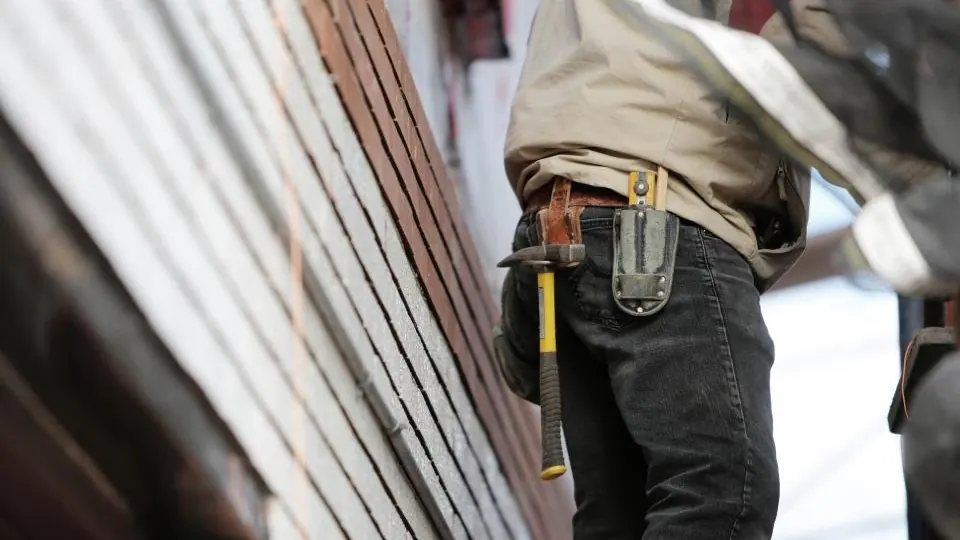
Roof repair covers leaks, failed flashing, valley and penetration problems, damaged boots and localised shingle loss, work that fixes a specific failure rather than replacing the system. It is assessed on the roof, not from the driveway, because the visible symptom and the actual failure point are frequently in different places.
We do not publish a price range for repair on this page. Repair pricing is far more variable than replacement, and an unsupported range here would undercut the credibility of the replacement figures, which are well sourced.
Last reviewed 15 August 2026
When repair is the right answer, and when it isn’t
Repair makes sense when the roof has plenty of service life left and the failure is localised: a boot that has perished around a plumbing penetration, flashing that has pulled away from a chimney or wall, a valley that was cut short, storm damage confined to one plane.
Replacement becomes the honest recommendation when the failure is systemic: widespread granule loss and mat exposure across multiple planes, a roof at the end of its service life where matched material is no longer available, or repeated repairs to the same area that keep reappearing three storms later.
We will tell you which one you are looking at, including when the answer is that you do not need us yet.
Where residential roofs actually fail
Almost never in the field of the shingle. Failures cluster at the transitions:
- Penetrations: plumbing vent boots are the single most common leak source on Texas roofs. The rubber collar perishes under sustained UV long before the shingles around it wear out.
- Valleys: where two planes meet, water volume concentrates. A valley cut short, or laid without ice-and-water shield underneath, will leak eventually.
- Flashing: chimneys, wall abutments, skylights. Step flashing installed as a continuous strip instead of woven course by course is a common shortcut that fails quietly.
- Ridge and hip, the first thing wind takes, and the easiest damage to spot from the ground.
- Fasteners: shingles nailed too high miss the double-thickness nailing zone and lose most of their wind rating. Invisible once the next course is laid.
What changes a repair price
- Extent and location of damage
- Whether decking beneath is compromised
- Accessibility and roof pitch
- Material match availability on older roofs
Material match on older roofs is the constraint homeowners underestimate. Shingle lines are discontinued and colours drift across production runs, so a repair on a fifteen-year-old roof can be structurally perfect and still visible from the street. We will tell you before we start whether that is likely.
Leaks that appear during the first rain after a storm
A leak that shows up after a hail event is not necessarily caused by the hail, and a roof damaged by hail does not necessarily leak. These are separate questions and a good inspection answers both separately, with dated photographs, so that you have accurate information to submit rather than an assumption.
Questions about this service
Why don’t you publish a price range for roof repair?
Because we do not have data good enough to stand behind, and a made-up range would undermine the replacement figures we can source.
Repair scope varies from a $300 boot replacement to several thousand for a valley rebuild with decking. We price it after we have seen it.
Should I repair or replace?
Repair when the failure is localised and the roof has service life left. Replace when the failure is systemic, matched material is unavailable, or the same area keeps failing.
We will give you the honest answer in writing, including when that answer is that the roof is fine.
What causes most roof leaks in North Texas?
Penetrations, specifically perished plumbing vent boots, followed by flashing failures at chimneys and wall abutments, and valleys.
Sustained UV exposure ages the rubber collar on a vent boot far faster than it ages the shingle field around it, so boots routinely fail on roofs that are otherwise sound.
Will a repair match my existing shingles?
Sometimes, and less often as the roof gets older.
Shingle lines get discontinued and colour drifts between production runs. A repair on an older roof can be structurally sound and still visible from the street. We tell you before we start if that is likely.
Do I need a permit for a roof repair?
It depends on scope and on your city. Small localised repairs often do not; anything approaching a re-cover generally does.
We confirm with your municipality rather than assuming, and we do not start work before a required permit is issued.
Book the inspection.
We come out, walk the roof, photograph what we find with dates attached, and put an itemised estimate in writing. No pressure, and no contract signed on the doorstep.
Book an inspection
Tell us about the roof and we will come and measure it.
We never ask you to sign anything at the inspection. Texas law prohibits any roofer from paying or absorbing your insurance deductible, we will not offer to, and you should walk away from anyone who does.
Get a real number on your roof.
Measured, itemised, in writing.
A on-site inspection with dated photographs of what we find, followed by a written itemised estimate you can hold, compare, and submit yourself.