Hail and wind damage, documented properly
We inspect, photograph and date the damage, then put it in writing. You keep control of your own claim, under Texas law that is the only way this can work.
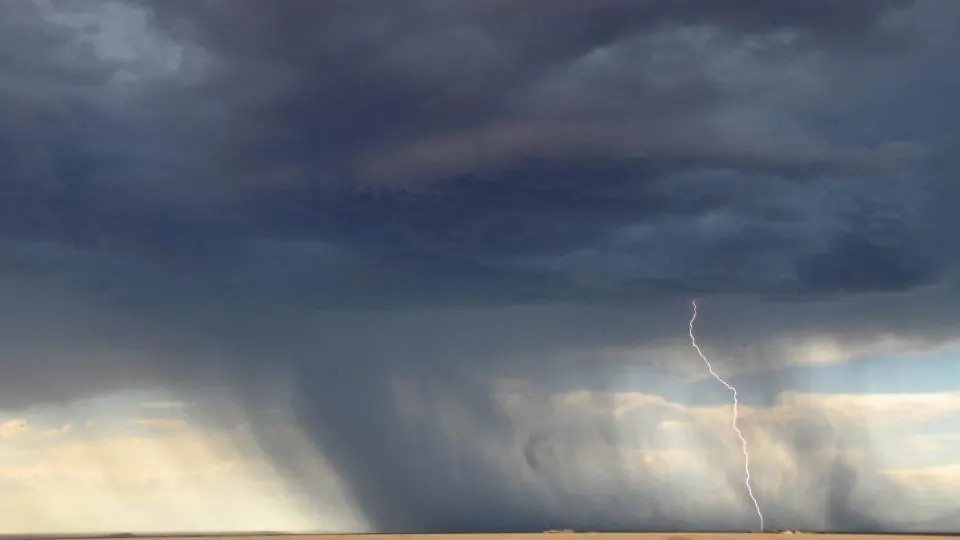
After hail or a wind event, Red Hammer Roofing inspects the roof, photographs and dates what we find, and gives you a written itemised estimate in the format adjusters expect. You submit it. You talk to your insurer. Whether the damage meets your policy’s threshold is your insurer’s decision.
That division of labour is not modesty, it is Texas law. Insurance Code §4102.163 prohibits a roofing contractor from acting as a public adjuster, or advertising to adjust claims, for any property it may also perform roofing work on.
Last reviewed 15 August 2026
What we do, and what we are not permitted to do
In Texas Department of Insurance v. Stonewater Roofing, the Texas Supreme Court considered a roofer
whose website described the company as an insurance specialist
highly experienced with the insurance claims process
. The
court held that the advertising itself fell within the statute. No homeowner had to be harmed. The page had to
exist. Both civil and criminal penalties are available under the section.
What we do
- Walk the roof and inspect for hail bruising, mat fracture, granule loss, lifted or missing shingles and damaged ridge cap
- Photograph every finding with the date attached
- Produce a written, itemised estimate you can submit yourself
- Meet your adjuster on site and walk the roof with them
- Explain how percentage wind-and-hail deductibles are structured
What we do not do
- Contact your insurer on your behalf
- Adjust, settle, price or negotiate your claim
- Promise any particular outcome from your carrier
- Pay, waive, absorb or rebate your deductible
- Describe ourselves as adjusters or claims professionals
Sources: Tex. Ins. Code §§4101.251, 4102.163 (added by HB 1183); Texas Department of Insurance Commissioner’s Bulletin B-0011-17; Texas Department of Insurance v. Stonewater Roofing, Ltd.
The deductible question, answered directly
Texas wind and hail deductibles are commonly a percentage of dwelling coverage rather than a flat dollar figure, which is why they surprise people. On a home insured for $400,000, a 2% wind-and-hail deductible is $8,000 before the policy pays anything. Knowing that number before you call anyone changes the whole conversation. Your declarations page has it.
Hail damage and wind damage are different inspections
They get bundled together in marketing and they are not the same failure. Hail bruises the mat and knocks granules loose, often leaving a roof that looks fine from the driveway and is functionally compromised. Wind lifts and peels, it takes ridge cap, tears shingles at the nail line, and breaks the seal strip so the next storm does more damage than this one did.
Hail
What we look for: granule loss exposing the asphalt mat, soft bruising you find by feel rather than by sight, fractured mat, damage to soft metals such as vents and flashing, and spatter marks that date the event. Soft-metal damage matters because it is the hardest evidence to dispute about whether hail actually fell here.
Wind
What we look for: uplift, shingle loss, ridge cap, wind warranty, broken seal strips, and creased shingles that will fail on the next event. Most residential shingles carry a manufacturer wind rating, commonly up to 130 MPH when installed to spec, which is a meaningful caveat, because a shingle nailed high or under-nailed does not perform to its rating regardless of what the wrapper says.
Wind damage is handled here rather than on a separate page, because in these three cities it does not carry enough distinct local information to answer a homeowner’s question on its own. A thin page split off for the sake of a keyword serves the search engine, not you.
What drives storm repair cost
- Hail versus wind damage patterns require different assessment
- Deductible structure. Texas wind/hail deductibles are commonly a percentage of dwelling coverage rather than a flat amount
- Whether damage is from a single event or multiple separate events
What to do in the 48 hours after a storm
- Photograph everything from the ground: hail on the lawn, dented gutters, downed limbs, the date on your phone’s metadata. This is your evidence and it costs nothing.
- Find your declarations page and read the wind-and-hail deductible. It is usually a percentage.
- Get the roof inspected and get the findings in writing, with dated photographs.
- Do not sign anything at the door. Not a contract, not an “inspection authorisation”, not a form that assigns anything to a contractor.
- Check the contractor’s city registration before you commit. Here is how.
Storm damage by city
Questions about this service
Will you deal with my insurance company for me?
No. Texas Insurance Code §4102.163 prohibits a roofing contractor from acting as a public adjuster, or advertising to adjust claims, for a property it may also perform roofing work on.
We inspect, document with dated photographs, and give you a written itemised estimate. We can meet your adjuster on site and walk the roof with them. You remain the person who talks to your insurer.
Can you cover my deductible?
No. Texas law prohibits any roofer from paying, waiving, absorbing or rebating your deductible.
Anyone who offers to is asking you to participate in insurance fraud, and the City of Arlington lists that offer as a warning sign in its own guidance for homeowners choosing a contractor.
How do I know if my roof actually has hail damage?
Often you can’t tell from the ground, which is precisely the problem.
Hail bruises the shingle mat and knocks granules loose in a pattern that reads as normal wear from a driveway. Damage to soft metals, vents, flashing, gutter aprons, is usually the clearest ground-level indicator that hail of a damaging size actually fell on your property.
Should I sign something with a roofer right after a storm?
Not at the door, and not on the first visit.
Get the findings in writing with dated photographs, check the contractor’s city registration, and read anything you are handed, including documents described as inspection authorisations.
Why is a percentage deductible so much higher than I expected?
Because Texas wind and hail deductibles are commonly calculated as a percentage of your dwelling coverage rather than as a flat amount.
On a home insured for $400,000, a 2% wind-and-hail deductible is $8,000. Your declarations page states which structure your policy uses.
Book the inspection.
We come out, walk the roof, photograph what we find with dates attached, and put an itemised estimate in writing. No pressure, and no contract signed on the doorstep.
Book an inspection
Tell us about the roof and we will come and measure it.
We never ask you to sign anything at the inspection. Texas law prohibits any roofer from paying or absorbing your insurance deductible, we will not offer to, and you should walk away from anyone who does.
Get a real number on your roof.
Measured, itemised, in writing.
A on-site inspection with dated photographs of what we find, followed by a written itemised estimate you can hold, compare, and submit yourself.